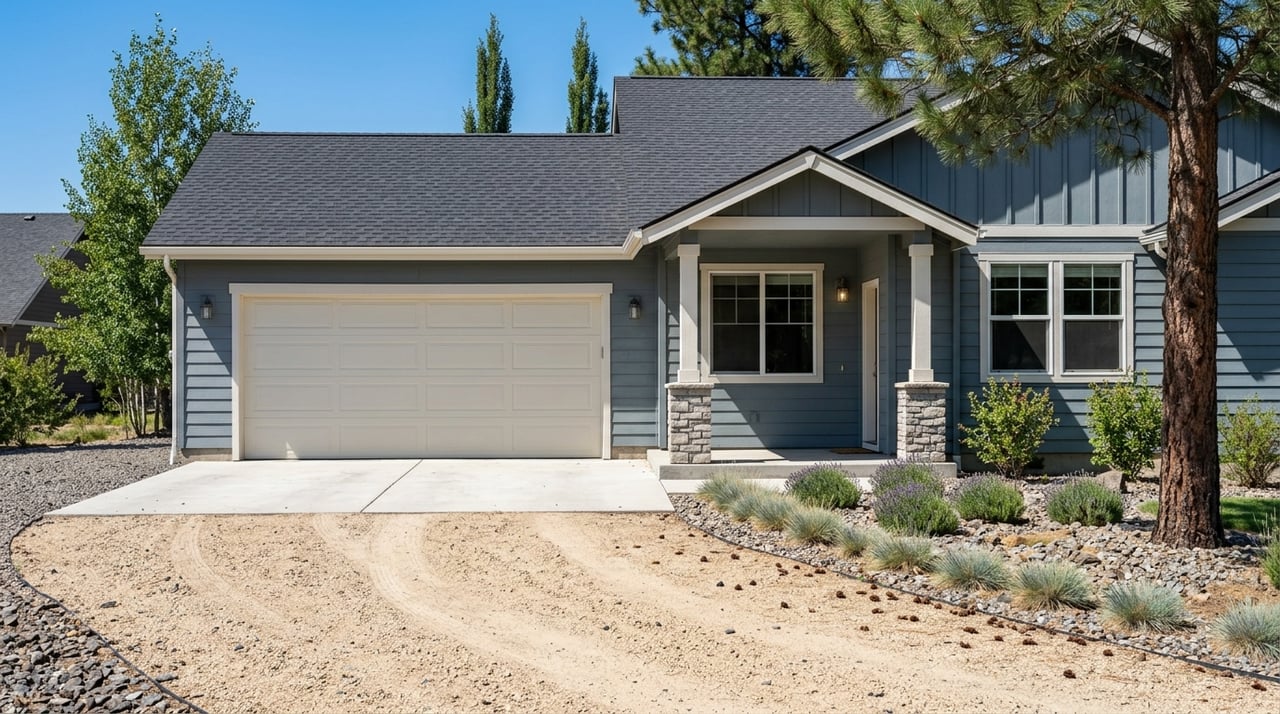
Thinking about buying acreage near Moses Lake? A few extra acres can open up a lot of possibilities, but they can also come with questions that do not show up in a typical in-town home purchase. If you want land for a custom home, hobby farming, extra space, or long-term value, it helps to know what really matters before you commit. This guide walks you through the biggest factors so you can evaluate acreage with more confidence. Let’s dive in.
Start With Jurisdiction and Zoning
The first thing to confirm is whether the parcel is inside the City of Moses Lake or in unincorporated Grant County. That single detail affects which planning office oversees the land, which rules apply, and what development path you may need to follow.
Inside city limits, the City of Moses Lake Planning Division manages zoning, special use permits, subdivisions, variances, rezones, and the official zoning map. Outside the city, Grant County Development Services handles those items for unincorporated land. Since many acreage properties near Moses Lake are county parcels, this step is often more important than buyers expect.
Why County Zoning Matters
Grant County has several rural zoning categories that can shape how a parcel may be used. Common examples near Moses Lake include RR1, RRem, RUR, AG, and RRes, and each one has different expectations for density, services, and land use.
For example, AG zoning is intended to keep land in farming and protect productive soil and irrigation infrastructure. RRes allows a maximum density of one dwelling unit per 40 acres and often relies on on-site water and sewer, with properties commonly located outside existing road and utility networks. That means two parcels with the same acreage can offer very different options in practice.
Watch for Nearby Agricultural Activity
If a parcel is within 500 feet of land zoned AG or Mineral Resource Overlay, Grant County requires disclosure for development nearby. For you as a buyer, that is a practical heads-up that normal farm-related activity may be part of the surrounding area.
That does not make a property better or worse on its own. It simply means your lifestyle goals should match the setting before you move forward.
Check Access Before You Fall in Love
Road access can make or break an acreage purchase. A beautiful parcel is much less useful if legal access is unclear or if reaching the site is more difficult than it first appears.
Grant County notes that some rural properties depend on private access roads, easements, or roads that may not be maintained year-round. The county also warns that large construction vehicles may have trouble reaching certain sites. If you plan to build, bring in materials, or make improvements, access deserves early review.
Permits for Driveways and Road Approaches
If the property needs a new driveway or approach from a county road, Grant County requires an approach permit. If access is from a state highway and the access is new or the use is changing, Washington State Department of Transportation approval may also be needed.
This is one reason acreage due diligence should happen early, not after your plans are already set. The cost and timing of access improvements can affect both your budget and your timeline.
Understand Water, Septic, and Electric Service
Utilities can look very different on acreage than they do on a standard residential lot. Near Moses Lake, the right question is not just whether utilities exist nearby, but whether they are actually available to the parcel and what it will take to connect or create service.
Inside the city, Moses Lake provides water, sewer, garbage, stormwater, and ambulance service on one utility bill. The city’s Construction Management program checks water and sewer availability and calculates development fees before connection.
Rural Utility Reality
In rural Grant County, sewer is often not available. In many cases, an approved on-site septic system is the normal path, and private wells are the most common rural water source.
Grant County notes that well water quality and quantity can vary by location and season. Washington Department of Health recommends annual testing for coliform bacteria and nitrate, and buyers or sellers of homes with private wells may be asked for sampling results that show the water is safe to drink.
Water Use Limits Matter
Washington Ecology states that a notice of intent is not permission to use water. If you plan to use more than 5,000 gallons per day or irrigate more than one-half acre, a water right application may be required before drilling.
That matters if your plans include gardens, pasture, animals, or extensive landscaping. A parcel that seems ideal on paper may not support the water use you have in mind without additional approvals.
Electric Service Is Its Own Step
Do not assume electric service is simple just because lines appear nearby. Grant PUD requires a service connection application for new electric service or upgrades, and its distribution engineering team determines what is needed for the project.
In other words, utility planning is not one item. It is several separate questions that should be answered clearly before closing.
Verify Irrigation and Water Rights
Around Moses Lake, irrigation can have a major effect on value and usability. The region sits within the Columbia Basin Project area, where a large canal, reservoir, and pumping network supports hundreds of thousands of acres in east central Washington.
Because of that system, not all acreage is equal when it comes to water. A parcel with district irrigation, a parcel with only a private well, and a dry parcel may function very differently and appeal to different buyers.
Irrigation Potential Is Not the Same as Irrigation Service
For parcels served by the East Columbia Basin Irrigation District, a buyer must have land included in the Columbia Basin Project, have an irrigable land classification, and have a water allotment to receive delivery. The district also notes that assessments must be paid before water is delivered.
So if a listing mentions irrigation potential, that should not be treated as confirmed irrigation service. You should verify whether the parcel already has a district water right, whether there is a turnout or delivery point, whether delivery is shared, and whether any assessments or transfer requirements will carry through closing.
Moses Lake Area Irrigation Can Add Another Layer
Some properties may also be affected by the Moses Lake Irrigation and Rehabilitation District. According to MLIRD, qualifying property owners who pay assessments may share in the use of the district’s water right where they otherwise might not have legal access for irrigation.
That makes local district review especially important if irrigation is central to your goals. If you want landscaping, small-scale farming, or a productive rural homesite, this is one of the most important questions to settle upfront.
Look Beyond Acreage Count for Value
It is easy to focus on price per acre, but acreage near Moses Lake is usually valued by more than size alone. Grant County’s Assessor values property at fair market value for tax purposes using comparable sales and annual revaluation, while also distinguishing between land and improvements.
That means raw land, improved acreage, irrigated land, and homesites with utility access may behave very differently in the market. A lower-priced parcel is not always the better value if the cost to make it usable is much higher.
Current Use Classification Can Affect Taxes
For qualifying land, current use classification can change the tax picture. Grant County explains that farm and agricultural land may be classified based on current use rather than potential use, and the county keeps both fair market value and current-use value for classified parcels.
The county also notes that sale or withdrawal of classified land can trigger additional tax, interest, or penalty if notice of continuance is not handled correctly. If you are buying land with agricultural use history, this is worth reviewing carefully before closing.
Shoreline Rules May Apply Near Water
Waterfront or near-water acreage can come with another layer of review. Grant County states that shoreline jurisdiction extends 200 feet landward from the ordinary high-water mark.
If a parcel falls within that area, development may involve review for land disturbance, septic systems, tree and vegetation removal, docks, change of use, wetlands, habitat, cultural resources, and floodplain issues. If you are drawn to acreage near Moses Lake for the views or setting, make sure the shoreline rules fit your plans.
Build a Smart Due Diligence Plan
Buying acreage near Moses Lake is usually a due diligence exercise first and a lifestyle decision second. The strongest acreage purchases are often the ones where zoning, access, water, utilities, and intended use all line up clearly before closing.
A practical review team may include the city or county planning office, Grant County Health District for septic and potable water review, Grant PUD for electric service, the relevant irrigation district if applicable, and a surveyor or title professional when easements or access are unclear. The goal is simple: make sure the land works the way you expect it to.
When you take that approach, you are far less likely to be surprised by hidden costs, permit delays, or use restrictions after you buy. And in a market like Moses Lake, that preparation can make all the difference.
If you are considering acreage in Moses Lake or anywhere in Grant County, working with a local team that understands rural parcels, water questions, and land value can save you time and help you make a more confident decision. Reach out to Kate Jimenez for thoughtful guidance tailored to your goals.
FAQs
What should you check first when buying acreage near Moses Lake?
- First, confirm whether the parcel is inside Moses Lake city limits or in unincorporated Grant County, then verify the zoning because those two details shape permits, land use, and utility options.
How does zoning affect acreage near Moses Lake?
- Zoning affects density, allowed uses, service expectations, and development limits. County zones such as RR1, RRem, RUR, AG, and RRes can lead to very different outcomes for similar-sized parcels.
Do rural acreage properties near Moses Lake usually have city sewer and water?
- Often no. In rural Grant County, approved on-site septic systems are common and private wells are the most common water source.
Why are irrigation rights important for Moses Lake acreage?
- Irrigation rights can affect how the land functions, what it may cost to operate, and how useful it is for landscaping or agricultural use. A parcel with irrigation potential is not automatically a parcel with irrigation service.
What access issues should you review before buying Grant County acreage?
- You should review legal access, easements, road maintenance, seasonal conditions, and whether driveway or road approach permits will be required.
Can shoreline rules affect acreage near Moses Lake?
- Yes. If the property is within 200 feet landward of the ordinary high-water mark, shoreline review may apply to certain improvements or land-disturbing activities.