Choosing the right neighborhood shapes your everyday life, from your morning commute to where you launch the kayak. If you are weighing lake views against yard size or new-build convenience against an easy drive to schools and parks, you are not alone. In this guide, you will see how Moses Lake’s main areas compare on lifestyle, budget, and practical tradeoffs. You will also get local tips to narrow your list with confidence. Let’s dive in.
Moses Lake at a glance
Moses Lake is a small city with a big lake at its center and about 25,000 residents based on the 2020 Census. The median value of owner-occupied housing is about $310,000, and the mean commute time is roughly 18 minutes, which fits a mostly car-based, small-city lifestyle. You can review these figures on the U.S. Census QuickFacts for Moses Lake.
- According to the U.S. Census QuickFacts, Moses Lake had 25,146 people in 2020, a median owner-occupied housing value near $310,000, and an average commute of about 18.2 minutes. See the data here.
- The lake’s shape defines everyday life. Peninsulas and arms like Pelican Horn and Parker Horn create natural waterfront corridors, parks, and trail connections identified in the city’s planning materials. View the city’s trail and master plan context.
Waterfront corridors and peninsulas
Waterfront living sits at the top of many wish lists. In Moses Lake, that often means homes along Lakeside Drive, Peninsula Drive, Westshore, Pelican Point, and the west shore near Moses Pointe.
- What you will find: Lake cottages and ranch-style homes alongside larger custom builds, often with docks, lifts, and shoreline access. Lots commonly range from about 0.25 acre to over 1 acre on some point locations.
- Everyday feel: Quick access to boat launches and parks, big views, and evening sunsets. Grocery and downtown errands can take a few more minutes compared with in-town blocks.
- Practical notes: Expect a price premium for direct frontage and views. Not every shoreline lot is equal for moorage. Some homes use septic or community systems. Confirm any HOA or shoreline rules during due diligence.
If you want golf plus water access, explore The Links at Moses Pointe on the west shore. Learn more about Moses Pointe.
Waterfront quick checks
- Walk the shoreline to understand sun exposure, water depth, and dock orientation.
- Verify private moorage rights versus shared or community launches.
- Confirm septic or community system details where city sewer is not available.
- Review HOA covenants and shoreline permitting rules, if applicable.
Established in-town blocks
Inside and around the peninsula near downtown, you will find older, well-situated neighborhoods by parks, trails, schools, and city facilities. Areas near McCosh Park, Montlake Park, and the Neppel Trail offer a classic in-town lifestyle.
- What you will find: Mid-century ranches, bungalows, and modest two-story homes on conventional lots, often about 5,000 to 10,000 square feet.
- Everyday feel: Shorter drives to schools, parks, and downtown services. Some streets have sidewalks or trail connections, and the city continues to improve trail links over time.
- Practical notes: Older homes can need updates to systems, insulation, windows, or roofs. Factor maintenance into your budget and inspection plan.
Daily convenience highlights
- Groceries and shopping: Major anchors cluster along N Stratford Road and the W Broadway and Pioneer corridors. See an example of the N Stratford retail hub.
- Schools: The Moses Lake School District lists elementary, middle, and high school locations as well as bus routes. Always verify boundaries directly. Check the district site.
- Healthcare: Samaritan Healthcare provides hospital, emergency, and clinic services that many buyers value for proximity. Explore Samaritan Healthcare.
Newer subdivisions and planned communities
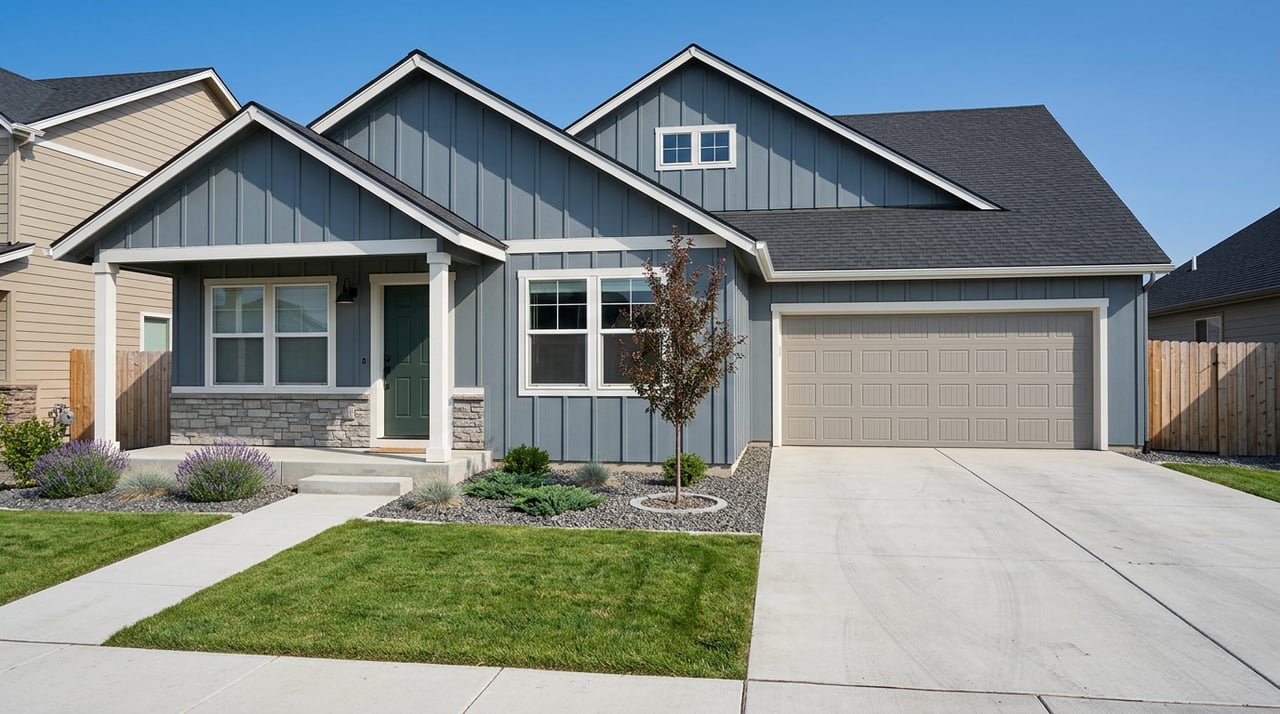
On the edges of town, you will see newer subdivisions with modern layouts and lower short-term maintenance needs. Mae Valley and other growth areas include production-built homes, and some communities have HOAs.
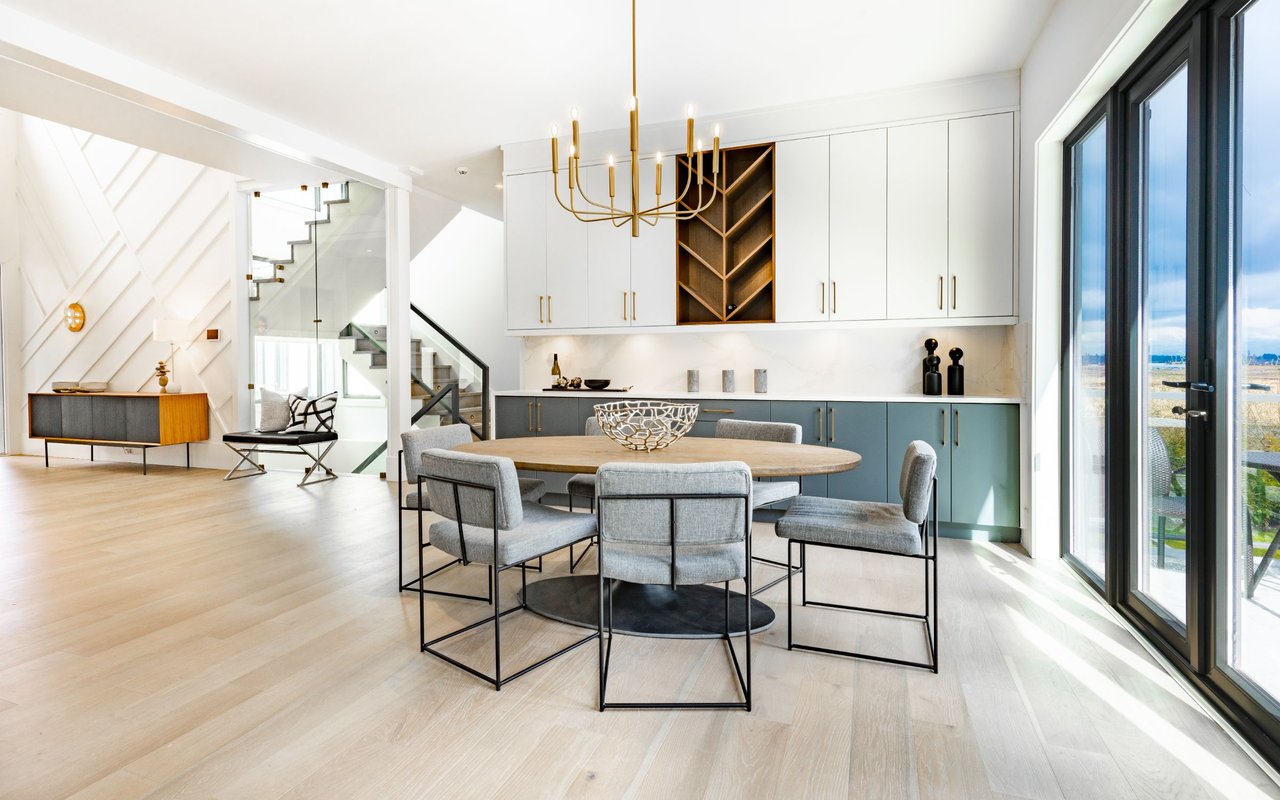
- What you will find: Single-level and two-story plans with open kitchens, modern mechanicals, and code-compliant insulation. Typical tract-lot sizes run about 0.12 to 0.25 acre.
- Everyday feel: Clean, move-in-ready homes with predictable finishes and, in some cases, neighborhood parks or pathways. Commutes to downtown can be a bit longer.
- Price cues: Builder marketing often places entry-level new-home pricing in the low to mid 300s, with larger or upgraded homes into the 400s and above. See a representative builder community.
If you want golf access plus new construction, look to the west-shore area around Moses Pointe, which mixes resort amenities with nearby residential options.
New-build buyer tips
- Budget for upgrades. Model homes show add-ons that are not always in the base price.
- Read CC&Rs to understand HOA rules on parking, fencing, and exterior changes.
- Ask about completion timelines and whether you can lock an interest rate.
- Confirm warranty coverage for structural and systems components.
Rural pockets and the south-end dunes
Beyond the city core, you will find larger-lot properties and semi-rural living. The Mae Valley fringes, Road F and Road D corridors, Sand Dunes Road, and the south-end dunes area offer space and privacy.
- What you will find: Multi-acre parcels, shops, room for boats and RVs, and sometimes agricultural or hobby-farm uses. Many properties rely on wells and septic.
- Everyday feel: Wide-open skies, quiet nights, and storage for gear. Groceries, schools, and clinics are a longer drive.
- Practical notes: Verify county versus city zoning and service levels. Broadband options can vary by pocket.
Rural due diligence reminders
- Test wells and septic systems and confirm maintenance history.
- Ask about fire district coverage, road maintenance, and garbage service.
- For properties near former military or airport-adjacent areas, review environmental records as part of your research. Start with the EPA’s Washington reuse page.
- Moses Lake has a major airfield, Grant County International Airport, but it does not run regular commercial passenger service. It is an asset for general aviation and logistics. Read the airport overview.
- Grant Transit Authority operates routes in and around Moses Lake, with on-request services in some areas. Plan for a car-first lifestyle overall. See GTA route information.
Match your priorities to the right area
- If you prioritize boating and sunsets: Focus on Pelican Point, Lakeside and Peninsula corridors, and west-shore homes near Moses Pointe. Confirm moorage and launch details early.
- If you want short drives to parks and schools: Look to central in-town and peninsula neighborhoods near McCosh Park, Montlake Park, and the Neppel Trail. Verify school assignments and bus routes on the district site.
- If you prefer modern layouts and lower maintenance: Target newer subdivisions at the city edge, including Mae Valley communities. Review HOA rules and planned amenities.
- If you need acreage or storage for equipment: Explore rural pockets around Mae Valley and the south end. Confirm utilities, zoning, and drive times to services.
A simple 5-step shortlisting plan
- List your top three daily priorities such as commute, water access, or yard size.
- Map your weekly route to groceries, schools, and healthcare to test convenience.
- Choose a lot type that fits your lifestyle: waterfront, in-town, subdivision, or acreage.
- Confirm the key details such as utilities, HOA rules, and potential shoreline permits.
- Align budget with your target area. Use the local median owner-occupied value of about $310,000 as a reference point, then assess premiums for waterfront or new-builds using recent local sales.
Work with a local guide
Each Moses Lake area offers distinct tradeoffs. The right fit ties your daily routines to your budget and lifestyle goals. If you want help mapping recent sales, confirming utility details, and targeting the pockets that match how you actually live, connect with a local team that blends market expertise with clear, data-informed guidance.
At Luxury Home Realty, you get boutique, high-touch representation backed by skilled negotiation, thoughtful staging, and modern marketing. Whether you are buying a waterfront retreat, a move-in-ready new build, or an in-town home near parks and schools, we will help you focus your search and secure the right property. Ready to start? Reach out to Kate Jimenez for a personalized plan.
FAQs
What should first-time buyers know about Moses Lake pricing?
- The ACS shows a median owner-occupied value near $310,000, with higher pricing for direct waterfront and variable pricing for newer builds based on size and finishes.
Which areas offer the strongest boating access in Moses Lake?
- Waterfront corridors and peninsulas such as Pelican Point, Lakeside and Peninsula drives, and west-shore pockets near Moses Pointe provide quick lake access, often with docks or nearby launches.
How long are typical commutes around Moses Lake?
- The mean commute time is about 18 minutes, and most residents drive. Local transit exists, but daily life tends to be car oriented.
Where are groceries and healthcare located in Moses Lake?
- Major grocers cluster along N Stratford and the W Broadway corridor, and Samaritan Healthcare provides hospital and clinic services in town.
What utility checks matter for rural or waterfront homes?
- Confirm whether a property is on city services or well and septic, review septic capacity and permits, and verify any HOA or shoreline restrictions before you buy.
Does Moses Lake have commercial air service?
- Grant County International Airport is a significant airfield for general aviation and cargo, but it does not offer regular commercial passenger flights.