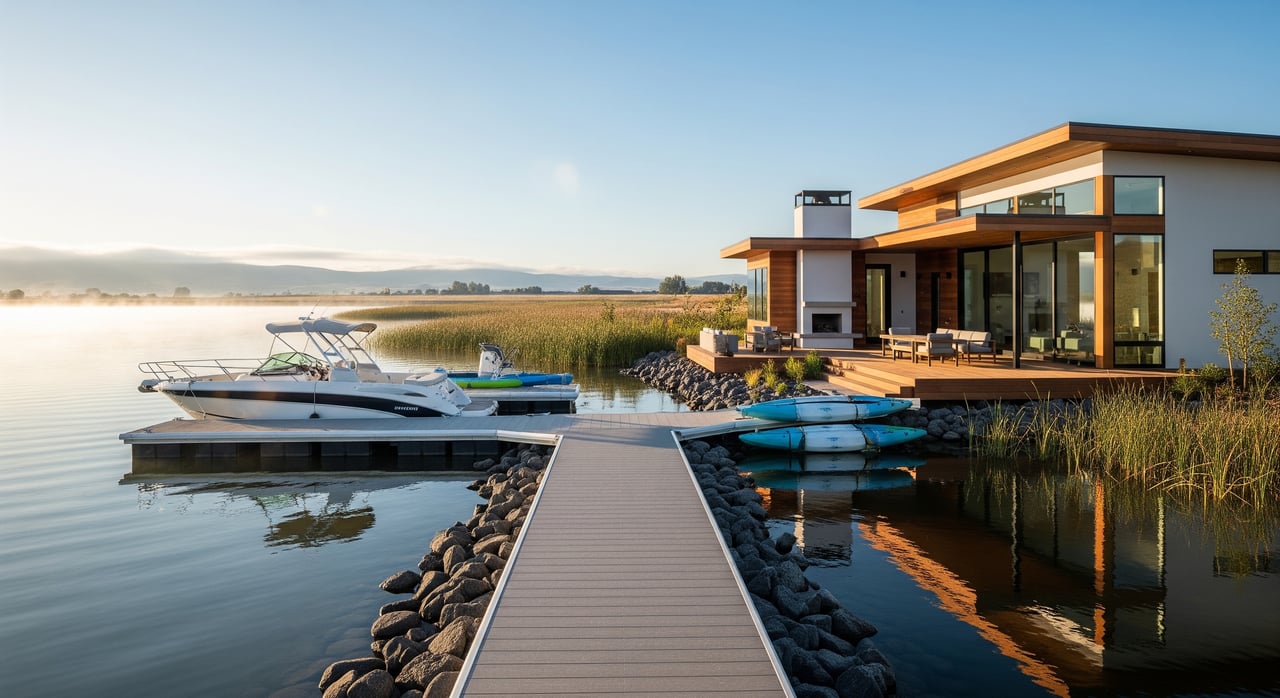
Imagine stepping onto the dock before breakfast, glassy water ahead and your paddleboard waiting. If you are curious about what everyday life on Moses Lake really looks like, you are not alone. You want easy access to the water without surprises about permits, utilities, or seasons. This guide breaks down daily living on and near the lake so you can plan with confidence and enjoy the lifestyle. Let’s dive in.
Everyday waterfront life in Moses Lake
Moses Lake blends private docks, marinas, and public parks along a varied shoreline. Some stretches feel residential and quiet, while others offer easy public access for swimming and launches. Because the lake is part of the Columbia Basin irrigation system, water levels can shift seasonally. That matters for dock heights, moorage, and shoreline care, so ask about past water levels and dock performance before you buy.
Water access and recreation
Public access and launches
You will find a mix of city parks, public boat ramps, and neighborhood shoreline paths that make getting on the water simple. Availability can vary by season and maintenance. Confirm current park hours, launch conditions, and shoreline ownership with the city and county records so you know exactly how you will access the water.
Boating, paddling, and sailing
Summer is prime time for powerboating, wake sports, sailing, kayaking, and paddleboarding. Rules for safety gear, towing, speed zones, and operator age are set at the state level. Review the Washington State Parks Boating Program for requirements, launch information, and safety resources before you head out.
Fishing and wildlife
Fishing is a year-round draw, with warm-water species and seasonal activity across the lake and nearby reservoirs. Regulations, seasons, and catch limits are set by the state. Check the Washington Department of Fish and Wildlife for current fishing regulations and species guidance, and plan around seasonal closures. Birding and wildlife viewing pick up in spring and fall along wetlands and quieter coves, so keep binoculars handy.
Neighborhoods and home types
Waterfront and near-lake options include single-story ranch homes, older cottages, updated custom builds, and some manufactured-home communities in the wider region. True waterfront lots often prioritize views and water access over lot size. Just off the shoreline, you will see larger lots and newer subdivisions. A mix of full-time residents and seasonal owners live around the lake. If you are considering short-term rental use, verify allowed uses and neighborhood rules with city or county planning before you commit.
Smart checks before you buy
Use this quick checklist to protect your time and budget:
- Water access and rights: Confirm riparian rights, recorded easements, and any shared access agreements through title and county records. The Grant County Assessor can help you verify parcel details and documents.
- Docks and shoreline work: Most dock, bulkhead, or major landscaping projects near the water require permits. Review Washington’s Shoreline Management framework and local Shoreline Master Program guidance with the Washington Department of Ecology, then coordinate with city or county planning.
- Septic vs. sewer: Some lake parcels rely on septic. Verify sewer connection or septic location, age, and inspection history with the city and your inspector.
- Utilities and internet: Confirm electrical service, water, and high-speed internet availability early, especially if you work from home. Ask about PUD policies for new connections.
- Insurance and floodplains: Waterfront homes can have different insurance needs for flood, wind, and water-related liability. Ask your insurance advisor about NFIP options and review local floodplain maps.
- Boats and storage: Seasonal demand for slips and storage can spike. Check local marina waitlists and storage policies before you buy a large vessel.
Seasons and maintenance rhythms
Moses Lake’s climate brings warm, dry summers and cool winters that shape daily routines on the water. Peak boating and swimming happen in summer, with fishing and birding strong in spring and fall. Winter is quieter on the water but steady for community life. For planning and weather windows, browse NOAA resources and schedule maintenance around freeze-thaw cycles.
Seasonal homeowner tasks often include winterizing boats, checking dock hardware after storms, managing shoreline vegetation, and servicing septic systems. In spring, monitor for erosion and adjust dock sections as needed based on water levels.
Getting around and regional access
Most daily errands, schools, clinics, and local jobs are within Moses Lake or nearby Grant County communities. Car travel is the norm for appointments and shopping. When winter weather is in the forecast, review road conditions and seasonal travel advisories through WSDOT so you can plan routes and timing.
Public services and community resources
Moses Lake is served by local police, fire districts, and emergency medical services. Families can review programs and boundaries with the Moses Lake School District directly. For boating safety classes and launch information, use the Washington State Parks Boating Program. For parcel research, permitting guidance, and utilities, start with city departments, the county, and the local PUD.
How we help you buy waterfront
Buying on the lake is about lifestyle and due diligence. We guide you through parcel and shoreline research, confirm easements and access, coordinate with local planning for permit clarity, and connect you with inspectors who understand docks, bulkheads, and septic systems. If you are selling, we pair accredited staging with targeted digital marketing to present your property at its best and reach qualified buyers.
Ready to explore Moses Lake waterfront with a local, high-touch team? Reach out to Kate Jimenez for concierge guidance tailored to your goals.
FAQs
Is water access reliable year-round for Moses Lake homes?
- Water levels can vary with irrigation management, which may affect dock height and moorage. Verify past level patterns with sellers and confirm access rights and easements through county records.
Do I need a permit to build or repair a dock on Moses Lake?
- Most shoreline projects require permits under Washington’s Shoreline Management framework and the local Shoreline Master Program. Start with the Washington Department of Ecology, then contact city or county planning for parcel-specific steps.
Where can I find Washington boating rules for Moses Lake?
- Review required safety gear, education, and local launch information through the Washington State Parks Boating Program. Check seasonal notices before you go.
How do I check fishing seasons and limits on Moses Lake?
- Regulations vary by species and season. Confirm open seasons, methods, and catch limits with the Washington Department of Fish and Wildlife before you fish.
What should I know about septic vs. sewer near the lake?
- Some waterfront parcels use septic systems. Confirm whether a home is on sewer or septic, request maintenance records, and plan inspections to meet local requirements.
Who can confirm property lines, access easements, and utilities?
- Use title reports and county records for easements and boundaries, then confirm utilities with the city or PUD. The Grant County Assessor is a good starting point for parcel data.
Washington State Parks Boating Program | Washington Department of Fish and Wildlife | Washington Department of Ecology | Grant County Assessor | NOAA | WSDOT