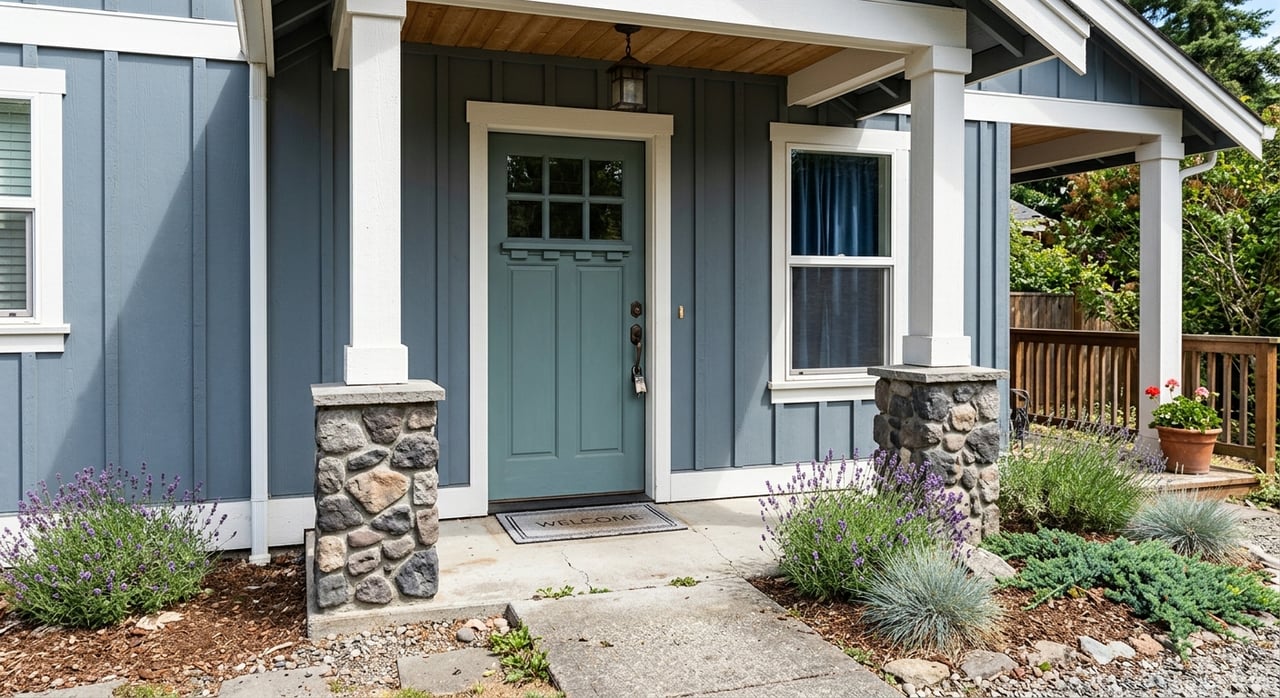
If you are thinking about selling in Ephrata, preparation can make a real difference. In a market where homes are taking longer to sell than national norms and some listings are seeing price drops, the goal is not just to list your home, but to launch it with confidence. This guide will walk you through the practical steps that can help your home show better, photograph better, and enter negotiations from a stronger position. Let’s dive in.
Understand the Ephrata market
Before you paint a wall or book a cleaner, it helps to know what kind of market you are entering. According to Redfin’s Ephrata housing market data, the median sale price was $338,550 in February 2026, with homes spending a median of 64 days on market and selling at a 98.2% sale-to-list ratio.
That same report shows 25.6% of homes had price drops, and only 25% sold above list price. Redfin also describes Ephrata as a somewhat competitive market, with average homes going pending in about 69 days. For you, that means smart preparation matters because it can help reduce avoidable buyer objections, support pricing conversations, and improve first impressions.
For broader context, the National Association of Realtors 2024 Profile of Home Buyers and Sellers found that recent sellers nationally typically sold at a median of 100% of final list price and spent a median of three weeks on the market. Ephrata is moving at a different pace right now, so realistic expectations and thoughtful planning are important.
Start with pre-listing basics
A confident sale usually starts before your home goes live. The first step is understanding what condition your home is in and what a buyer is likely to notice during a showing or inspection.
According to NAR’s consumer guide to preparing to sell your home, a pre-sale inspection is not required, but it can help uncover issues before buyers do. Even if you choose not to repair every major item, getting cost estimates can help because buyers often factor repair costs into negotiations.
This is often the best framework for deciding what to do before listing:
- Fix issues that could raise immediate buyer concern
- Gather estimates for larger repairs you do not plan to complete
- Handle small cosmetic defects that make the home feel less maintained
- Be ready to disclose known issues accurately
Focus on repairs that matter most
You do not need to make every update before you sell. The goal is to identify the items that most affect buyer perception, financing, or negotiations.
NAR advises sellers to think in terms of repair impact, not perfection. If a major item is uncovered, you can choose to repair it, price with it in mind, or prepare for negotiation. Smaller fixes also matter because they can make buyers feel the home has been cared for.
Based on NAR’s guidance for better showings, common pre-listing fixes may include:
- Sticky doors
- Torn screens
- Cracked caulking
- Dripping faucets
- Minor outdoor tidying
These details are easy for buyers to notice in person and in photos. Taking care of them can help your home feel cleaner, more move-in ready, and easier to say yes to.
Prepare your Washington disclosures
Paperwork may not be the most exciting part of selling, but it is one of the most important. In Washington, most sellers of improved residential property must provide a completed seller disclosure statement unless the buyer waives it or the transfer is exempt.
Under Washington RCW 64.06.020, that disclosure must be delivered no later than five business days after mutual acceptance unless otherwise agreed. Washington law also requires a separate notice about possible proximity to a farm or working forest in certain situations, so it is wise to confirm whether that applies as you prepare your documents under RCW 64.06.022.
A smooth sale often depends on being organized early. When your disclosures, repair information, and home details are ready, you can respond faster and more confidently once a buyer shows interest.
Clean for photos and showings
Many buyers will first meet your home online, not at the front door. That is why cleaning and visual prep are not just housekeeping tasks. They are marketing decisions.
NAR recommends cleaning windows, carpets, lighting fixtures, and walls, storing clutter, and improving curb appeal through landscaping, the front entrance, and paint where needed. These steps can also improve how the home looks in listing photos, which matters because 43% of buyers begin their search online and 51% found the home they purchased online.
If you are deciding where to spend time first, start here:
- Deep clean kitchens and bathrooms
- Wash windows and brighten lighting
- Clear counters and store extra decor
- Remove excess furniture to open up rooms
- Refresh the front entry and yard
These are simple changes, but they can create a cleaner, brighter impression both online and in person.
Stage the rooms buyers notice most
Staging is optional, but it can be powerful when used well. NAR defines staging as cleaning a home and temporarily adding furniture and decor that help buyers picture themselves living there.
You do not need to stage every room. In fact, NAR says many sellers focus only on key spaces, and the most commonly staged rooms are the living room, primary bedroom, dining room, and kitchen. That can be a practical approach if you want impact without overdoing it.
The value of staging is tied to buyer behavior. In NAR’s 2025 Profile of Home Staging, 83% of buyers’ agents said staging made it easier for buyers to visualize the property as a future home, 29% reported a 1% to 10% increase in dollar value offered, and 49% of sellers’ agents said staging reduced time on market.
For Ephrata sellers, staging can support a stronger launch by helping your home stand out in a market where buyers may take more time to compare options. It is not a guarantee of multiple offers, but it can improve presentation and reduce friction.
Get your home photo-ready
A home can look tidy in person and still fall flat on camera. That is why photo prep deserves its own checklist.
NAR’s photo-shoot preparation guidance says high-resolution photos and video tours are a must. It also notes that cameras magnify clutter and poor furniture arrangement, so opening blinds, paring down furniture, and deep cleaning can meaningfully improve the listing.
Before photos are taken, try to:
- Open blinds and let in natural light
- Remove visible cords, bins, and personal items
- Simplify furniture layouts
- Clear kitchen and bathroom surfaces
- Make beds and straighten linens
When your home looks polished online, buyers are more likely to schedule a showing. In a market where not every listing moves quickly, that first impression matters.
Protect privacy during showings
Selling your home also means letting people walk through your private space. A little planning can help you protect both your belongings and your peace of mind.
NAR’s privacy and safety guide for sellers recommends putting away family photos, calendars, mail, passwords, and other personal items. It also advises locking up jewelry, important documents, firearms, and prescription medications.
If you are preparing for active showings, use this checklist:
- Store sensitive mail and paperwork
- Remove family photos and identifying details
- Lock up valuables and medications
- Ask about a no-photography note in the MLS if needed
- Confirm access procedures and showing records
NAR also notes that electronic lockboxes can record who enters and when. That added structure can help make the showing process more organized and secure.
Make showings easier on buyers
A showing should feel simple, comfortable, and distraction-free. The easier it is for buyers to focus on the home itself, the better.
According to NAR’s checklist for a better home showing, it helps to send pets away or confine them, tidy the outside, and address small defects before buyers arrive. NAR also notes that it can be awkward if the seller is home during a showing, which supports the common practice of stepping out.
A few habits can make ongoing showings smoother:
- Keep surfaces clear each day.
- Have a quick cleaning routine for floors and bathrooms.
- Make a plan for pets before showings are scheduled.
- Leave the home during appointments when possible.
- Stay flexible so qualified buyers can tour easily.
Think strategy, not perfection
Preparing your Ephrata home for sale is not about making it flawless. It is about making smart choices that support pricing, presentation, and negotiation.
With local data showing longer market times, some price reductions, and room for negotiation, your best advantage is a home that feels cared for, well-presented, and ready for buyers to understand quickly. When you combine repairs, disclosures, staging, photography, and showing prep, you give your sale a more confident starting point.
If you want experienced guidance on pricing, presentation, and next steps for your Ephrata sale, connect with Kate Jimenez. You can get clear advice, local insight, and a thoughtful plan built around your home and your timing.
FAQs
What should sellers in Ephrata fix before listing a home?
- Focus first on issues that could affect buyer confidence or negotiations, such as noticeable maintenance problems, larger repair items, and small defects like dripping faucets, cracked caulking, torn screens, or sticky doors.
Do sellers in Ephrata need to stage every room before selling?
- No. Staging is optional, and many sellers focus on key spaces like the living room, primary bedroom, dining room, and kitchen.
Should sellers in Washington get a pre-listing inspection before selling?
- A pre-sale inspection is not required, but it can help you identify issues early and gather repair estimates before buyers use those items in negotiations.
What disclosures are required when selling a home in Washington?
- Most sellers of improved residential property must provide a seller disclosure statement unless the buyer waives it or the transfer is exempt, and some sales may also require a farm or working forest proximity notice.
How important are listing photos when selling a home in Ephrata?
- Very important. Many buyers begin online, and strong photos can help your home make a better first impression and generate more showing activity.
Should sellers stay home during showings in Ephrata?
- Usually, it is better to leave during showings so buyers can move through the home more comfortably and focus on the property without feeling rushed or awkward.