Thinking about trading gray skies and west-side traffic for sun, space, and a different pace of life? If you are relocating to Moses Lake from the west side, the adjustment can feel exciting and a little unfamiliar at the same time. The good news is that once you understand the climate, housing options, and daily rhythm here, you can make a much more confident move. Let’s dive in.
Why Moses Lake Feels Different
Moses Lake is not a west-side suburb with a similar lifestyle at a lower price point. It is a growing Columbia Basin city in a much larger, more rural region shaped by irrigation, agriculture, and highway access.
As of July 2025, Moses Lake had an estimated population of 27,469, while Grant County reached 105,727. The city covers 17.95 square miles, but Grant County spans 2,679.55 square miles, which helps explain why the broader market includes everything from compact in-town neighborhoods to larger rural parcels.
That regional setting matters when you move here. You are not just changing addresses. You are also shifting into a high-desert, transportation-oriented part of eastern Washington with more open land and a different day-to-day feel.
Expect a Real Climate Change
One of the biggest surprises for west-side movers is the weather. Moses Lake is far drier than coastal western Washington, and that affects everything from your yard to your wardrobe.
NOAA climate normals show Moses Lake averages 7.81 inches of precipitation a year, compared with 39.34 inches at Seattle-Tacoma International Airport. Summer is also hotter here, with a July normal of 89.7 degrees for the high and 57.2 for the low, while January normals are 36.4 and 23.8.
In practical terms, you should expect less rain, more sun, hotter summer afternoons, and colder winter mornings than you may be used to on the west side. Many buyers also find that outdoor living looks different here, with more attention to shade, irrigation, and seasonal temperature swings.
What that means day to day
If you are used to mild west-side summers, Moses Lake heat can take some planning. You may care more about air conditioning, shade on patios, and how a home handles afternoon sun.
Winter can also feel sharper in the morning, even if the overall weather is drier. When you tour homes, it helps to think beyond square footage and consider comfort features that fit the local climate.
Housing Costs Often Feel More Attainable
For many west-side buyers, affordability is one of the main reasons Moses Lake gets serious attention. The numbers show a meaningful shift in both home prices and rents.
Moses Lake’s median value for owner-occupied housing units is $310,000. Median monthly owner costs with a mortgage are $1,789, and median gross rent is $1,216.
Grant County is similar, with a median owner-occupied value of $299,500, median monthly owner costs with a mortgage of $1,670, and median gross rent of $1,116. By comparison, King County’s median owner-occupied value is $859,900, median monthly owner costs with a mortgage are $3,273, and median gross rent is $2,092.
That does not mean every move will be inexpensive. It does mean many buyers coming from the west side find that Moses Lake opens up more possibilities, whether that means a larger home, a different property type, or simply more breathing room in the budget.
Budget beyond the purchase price
Lower home prices can create opportunity, but it is still smart to budget carefully. Transportation needs, insurance, and property-specific costs can vary depending on whether you buy in town, on the water, or on acreage.
That is why relocation planning works best when you look at the full picture, not just the list price. A home that seems affordable at first glance may come with a very different maintenance routine depending on location and lot type.
Moses Lake Is Largely Car-Oriented
If you are moving from a place where transit, short walks, or dense neighborhoods shape daily life, this is another major adjustment. Moses Lake is a market where most households still rely on a car for everyday mobility.
Data USA reports that 80.5% of workers drove alone to work in 2024, 9.04% carpooled, and 7.14% worked from home. The average commute time was 18.2 minutes, which is often a welcome change for people coming from longer west-side commutes.
The broader road network also shapes local life. Grant County identifies Interstate 90 as the major route through the county and through Moses Lake, while SR 17, SR 26, and SR 281 connect the area to nearby regions.
The lake affects local routes
Moses Lake is divided by a multi-fingered lake, and that has real transportation impact. The city notes that I-90 is the only east-west crossing at the south end of the lake, and when that crossing is disrupted, detours can add almost an hour.
That is important if you are choosing between different parts of town or planning a commute across the lake. A home can look close on a map but function differently in daily life depending on your regular routes.
The Three Main Housing Types
If you are relocating from the west side, it helps to think of Moses Lake housing in three broad categories. Each one offers a different lifestyle, budget pattern, and level of complexity.
Waterfront homes
Waterfront properties are one of the most distinctive parts of the Moses Lake market. The city identifies Moses Lake as the largest natural body of fresh water in Grant County, and shoreline development is governed by specific local rules.
The city’s shoreline program applies to the lake and its Urban Growth Area and governs development within 200 feet of the shoreline. That means buyers should expect waterfront homes to be a more specialized category with limited supply and more regulation than a standard in-town property.
If you are drawn to the lifestyle, this segment can be incredibly appealing. It also requires closer review of property details such as shoreline improvements, vegetation, docks, and other modifications.
In-town homes
In-town housing is often the easiest transition for west-side buyers who want convenience first. Because Moses Lake itself is relatively compact, in-town homes can offer easier access to services, schools, and daily errands.
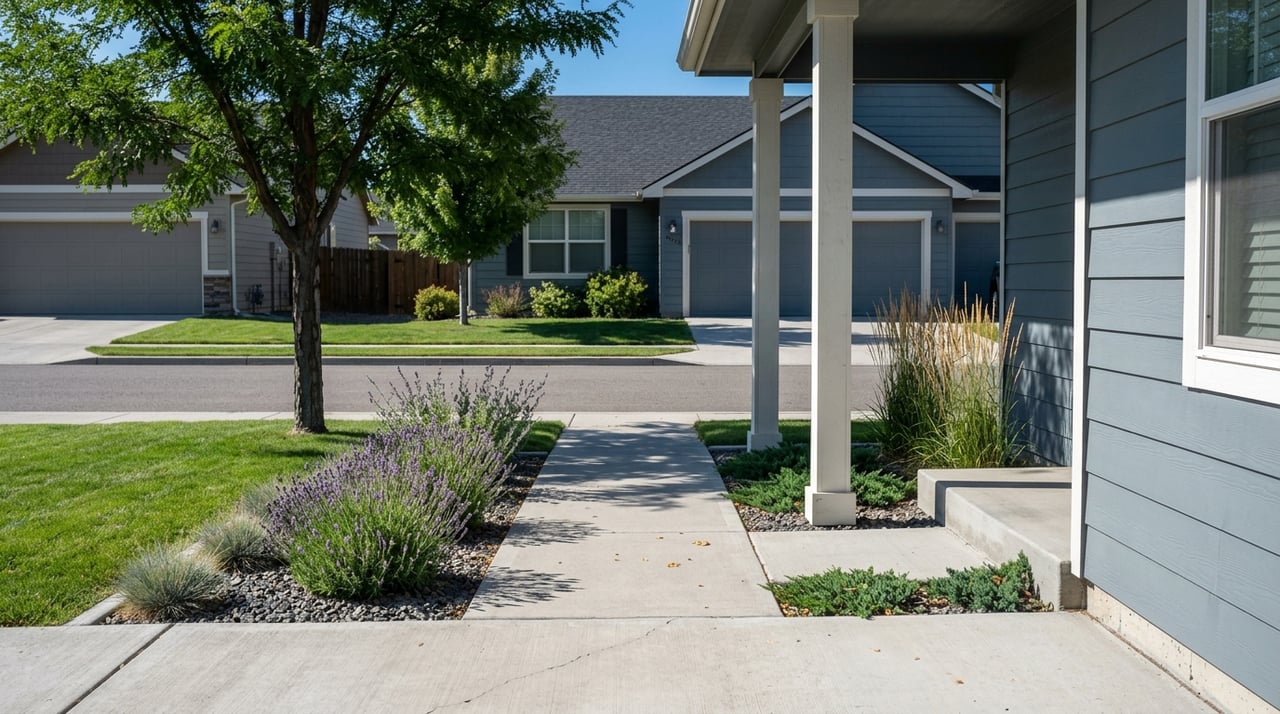
This category usually comes with fewer land-management issues than acreage and less shoreline complexity than waterfront. For many relocating households, that makes in-town living a practical first step while you get familiar with the area.
Acreage and rural parcels
If your goal is more land, privacy, or flexibility, the broader Grant County market may offer options that are harder to find on the west side. Given the county’s size and rural road network, acreage properties are a natural part of the local housing mix.
That said, more land usually means more driving and more responsibility tied to the property itself. Buyers often need to think carefully about access, distance to services, and how the property fits their everyday routine.
How to Choose the Right Fit
Relocating successfully is not just about finding a house you like. It is about matching your next home to the way you actually want to live in Moses Lake.
A simple way to narrow your search is to ask yourself a few questions:
- Do you want convenience for errands and shorter local drives?
- Are you specifically looking for a waterfront lifestyle?
- Do you want more land, privacy, or room for projects?
- How important is a shorter route to work or regular destinations?
- Are you ready for the climate differences that come with open land or shoreline living?
These questions can help you focus quickly. They also make it easier to compare homes that may look very different on paper.
What West-Side Buyers Should Prepare For
Most relocations go more smoothly when you expect a few lifestyle changes upfront. Moses Lake often feels more attainable and more spacious, but it also asks you to think differently about homeownership.
Here are a few practical mindset shifts to keep in mind:
- Weather matters more in your home search than it may have on the west side.
- Driving is central to most daily routines.
- Property type matters because waterfront, in-town, and acreage homes come with different tradeoffs.
- Regional scale is bigger than many newcomers expect, especially once you explore beyond city limits.
For many buyers, these are not drawbacks. They are the reason the move makes sense in the first place.
Why Local Guidance Helps
When you relocate from the west side, online listings only tell part of the story. What usually matters most is understanding how a property functions in real life, from location and commute patterns to the differences between shoreline, in-town, and rural homes.
That is where local guidance can save you time and help you avoid expensive guesswork. A clear strategy can help you compare homes more accurately, narrow the right areas, and make decisions that fit both your budget and your lifestyle goals.
If you are planning a move to Moses Lake or Grant County, Kate Jimenez can help you sort through the options with local insight, responsive support, and a clear plan built around how you want to live.
FAQs
What is the biggest lifestyle change when relocating to Moses Lake from the west side?
- The biggest change for many buyers is the combination of a drier climate, hotter summers, colder winter mornings, and a more car-dependent daily routine.
Is Moses Lake more affordable than west-side Washington?
- Census data in the research report shows Moses Lake has lower median home values, lower monthly owner costs, and lower median rent than King County, which can make homeownership feel more attainable for many west-side movers.
What types of homes are common in Moses Lake and Grant County?
- Buyers will usually see three main categories: waterfront properties, in-town homes, and acreage or rural parcels in the broader Grant County area.
Do you need a car to live in Moses Lake?
- Most households rely on a car for daily trips, with 80.5% of workers driving alone to work in 2024 according to Data USA, although Grant Transit Authority does provide transit service.
What should buyers know about Moses Lake waterfront homes?
- Waterfront homes are a distinct part of the market with limited supply and added shoreline regulations that can affect development, improvements, and property use near the lake.
How does the lake affect commuting within Moses Lake?
- The lake can shape route choices in a big way because I-90 is the only east-west crossing at the south end, and disruptions there can create long detours across town.