Selling rural acreage around Ephrata is rarely as simple as putting a sign up and waiting for the right buyer. Buyers want answers before they commit, and on land, the big questions usually go far beyond price and acreage count. If you want a stronger sale, you need marketing that explains the property clearly, reaches the right audience, and helps buyers feel confident enough to act. Let’s dive in.
Why acreage marketing is different
In the Ephrata area, rural property often gets evaluated in more than one way. A buyer may see a parcel as production land, a future homesite, a recreational property, or a long-term hold. That matters in Grant County, where the 2022 USDA county profile reported 1,238 farms, more than 1 million acres in farms, 477,913 irrigated acres, and $2.605 billion in agricultural products sold.
That local context changes how you market acreage. A strong listing should not treat the property like a standard residential sale if the buyer is really trying to understand use, access, and long-term value. The more clearly you explain those points, the more useful your listing becomes.
Start with facts buyers need
Acreage buyers tend to ask detailed questions early. If your listing does not answer them, they may move on before they ever schedule a showing or drive out to the property. That is why strong marketing starts with documentation, not just visuals.
Parcel maps build trust
Grant County GIS maintains parcel data, mapping, site addressing in unincorporated areas, and parcel search tools. For a rural listing, that makes parcel identity one of the first items to present clearly. Buyers need to see where the parcel sits, how it relates to nearby roads or boundaries, and what the overall layout looks like.
A vague acreage listing can create hesitation. A clear parcel map, legal description, and boundary context help buyers feel grounded in what they are considering. This is especially important for out-of-area buyers who may narrow their options online before ever visiting Grant County.
Access matters more than many sellers expect
Legal access is a major issue with rural property. Grant County Public Works states that an approach permit is required before an approach is built onto a county road under RCW 36.75.130. That means buyers may want more than a general statement that the parcel is "accessible."
If your property has road frontage, known access details, or approach permit status, that information should be part of the marketing package. Clear access notes can reduce confusion and help serious buyers evaluate the property faster.
Water and septic can shape value
In Washington, water is regulated closely, and the Department of Ecology notes that water is not a property right. Ecology also states that some areas may not have water available for new wells, and a water right may be required if use exceeds 5,000 gallons per day or irrigation exceeds one-half acre.
For septic, the Grant County Health District handles permits, inspections, and records for on-site systems. It also notes that new septic applications require site and soil evaluations, and under county authority, a building permit must first be applied for before a new septic application can be accepted. For buyers, these are not small details. They can directly affect whether a parcel fits the buyer’s plans.
Zoning should be explained plainly
Grant County zoning tables show that allowed, conditional, and prohibited uses vary by zoning district. County code also notes priority protection for established agricultural operations on land zoned Agriculture, along with development acknowledgment forms for properties within 500 feet of Agriculture or Mineral Resource Overlay lands. The code also directs a minimum 100-foot buffer for new non-resource uses adjacent to AG or MRO parcels.
This is why acreage marketing should explain more than parcel size. Buyers want to know what the land can legally support. A strong listing helps them understand the zoning framework and whether the parcel may fit their intended use.
Strong visuals still matter
Facts build trust, but visuals create attention. Buyers today often start online, and research in the report shows that many begin their search on the internet. The same report also notes that buyers rate listing photos as one of the most useful features in an online search.
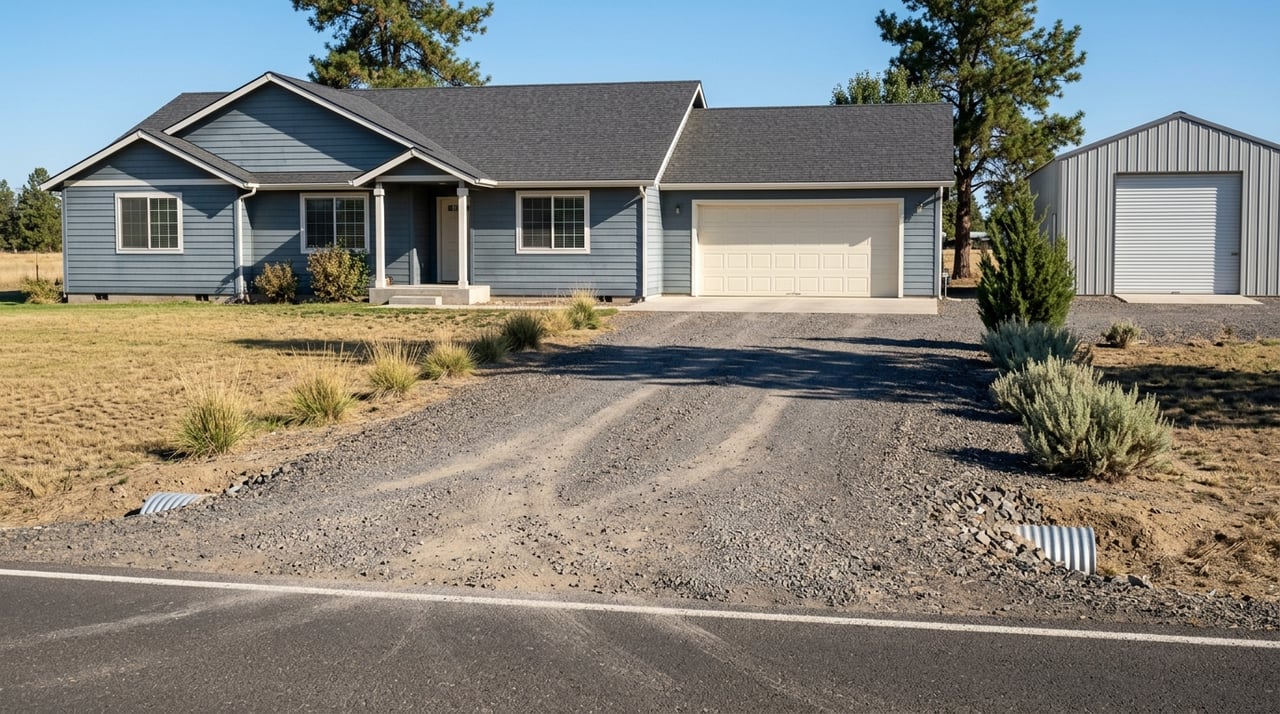
For rural acreage, that means a few basic photos are usually not enough. Buyers often need aerial views, map-based visuals, and images that show road access, terrain, open space, and any existing improvements. Good marketing helps them understand not just how the property looks, but how it functions.
Show the land, not just the scenery
A pretty sunset photo may catch the eye, but acreage buyers usually need more practical visuals. They want to see the approach, the shape of the parcel, nearby roads, and the layout of homes, shops, barns, fencing, or other improvements if present.
That is where thoughtful presentation makes a difference. Clear visuals paired with concise notes can help buyers connect the image to the facts. Instead of leaving room for guesses, the listing gives them a clearer path to decision-making.
Reach buyers beyond Ephrata
A rural acreage buyer is not always local. In Grant County, land may appeal to people looking for agricultural use, a future homesite, recreational space, or a long-term investment. Because of that, your marketing should not depend only on nearby word of mouth or basic local exposure.
The research report shows that land sales can appeal to several buyer groups, including agricultural, residential, and recreational buyers. It also supports the idea that broad online distribution matters, especially in a market where buyers may narrow their search from outside the area.
Digital exposure widens the buyer pool
When a property has unique acreage features, the right buyer may be coming from another part of Grant County or from outside the immediate Ephrata area. That is where targeted digital marketing, strong listing presentation, and data-informed exposure can help your property reach more serious prospects.
For a boutique team like Luxury Home Realty, this is a meaningful advantage. A high-touch listing process paired with modern digital marketing can help present rural acreage in a way that feels organized, credible, and easy to evaluate from a distance.
Price acreage with the full picture
Pricing rural acreage is not just about multiplying acres by a rough number. Buyers often weigh legal access, water availability, septic status, permit history, zoning, and fire-district considerations before deciding what a parcel is worth to them. If those details are unclear, buyers may price in extra risk.
A stronger pricing strategy reflects the property’s usable value, not just its size. When the listing package is more complete, the pricing conversation can be more grounded and persuasive.
Existing improvements need backup
If the property includes a home, shop, barn, or other structures, permit history can matter. Grant County’s permit reports page states that the Assessor search can be used by parcel number or house number to see whether permits are listed on the property record.
That makes it smart to gather permit information before you list. When buyers can review that history early, they may feel more confident about the property and spend less time wondering what still needs verification.
Set a realistic timeline
Land marketing often takes patience, even when the property is attractive. The research report notes that many land transactions close within about 60 days nationally, while local March 2026 housing data showed Ephrata homes selling in roughly 73 to 74 days and Grant County around 84 days. Those are home-sale figures, not land-sale figures, but they still point to a local market that is not instant.
For rural acreage around Ephrata, it is smart to plan for a process measured in weeks to months. Buyers may need time to review maps, confirm use, study access, and ask questions about water, septic, or permits. Strong marketing helps move that process forward, but realistic expectations still matter.
What to gather before listing
If you want your acreage listing to feel stronger from day one, preparation is key. The research report highlights several documents and records that can make a listing more credible and easier for buyers to evaluate.
Here are some of the most useful items to assemble before going live:
- parcel map and legal description
- road access or approach permit status
- zoning and permitted-use summary
- well logs, water-right information, or irrigation records if relevant
- septic permit or record status
- building permit history for existing improvements
- fire-district status if a dwelling or commercial structure is involved
When these details are organized early, your listing can answer better questions up front. That often leads to more qualified interest and a smoother path once negotiations begin.
Why strategy matters in Ephrata acreage sales
Rural acreage around Ephrata asks for a different level of care than a typical home listing. Buyers are not just buying space. They are trying to understand what the land is, what they can do with it, and what it may require after closing.
That is why strong marketing matters so much. The right strategy combines accurate property information, clear visuals, broad digital exposure, and pricing that reflects the parcel’s real-world utility. When those pieces work together, your listing stands a better chance of attracting the right buyer and supporting a stronger result.
If you are thinking about selling acreage in Ephrata or elsewhere in Grant County, Kate Jimenez can help you build a smart listing strategy with clear preparation, strong presentation, and targeted marketing.
FAQs
What makes selling rural acreage around Ephrata different from selling a house?
- Rural acreage buyers often focus on access, water, septic, zoning, permit history, and possible land use, not just price and appearance.
What documents help market Grant County acreage more effectively?
- Useful documents include a parcel map, legal description, access information, zoning summary, water or irrigation records if relevant, septic records, permit history, and fire-district status when applicable.
Why is parcel mapping important when selling land near Ephrata?
- Parcel mapping helps buyers understand location, boundaries, road context, and the overall layout of the property, which builds trust early.
How should you price rural acreage in Grant County?
- Pricing should reflect factors like legal access, water availability, septic status, zoning, permitted uses, and any documented improvements, not acreage alone.
How long can it take to sell acreage around Ephrata?
- Acreage sales are often best viewed as a process that may take weeks to months because buyers usually need time for due diligence on land-specific issues.
Why does digital marketing matter for Ephrata acreage listings?
- Many buyers start online, and rural acreage often appeals to out-of-area buyers who need strong visuals, clear facts, and broad exposure before deciding to visit.